Minister of Natural Resources Patricia Wiskes says climate change is already cutting into Malawi’s economic growth, with losses now visible in output, infrastructure and public finances.
Speaking yesterday at the 5th African Regional Conference on Loss and Damage underway in Lilongwe, the minister said climate impacts are no longer a future risk but a “daily reality,” citing repeated cyclones that have destroyed infrastructure, displaced households and disrupted livelihoods.
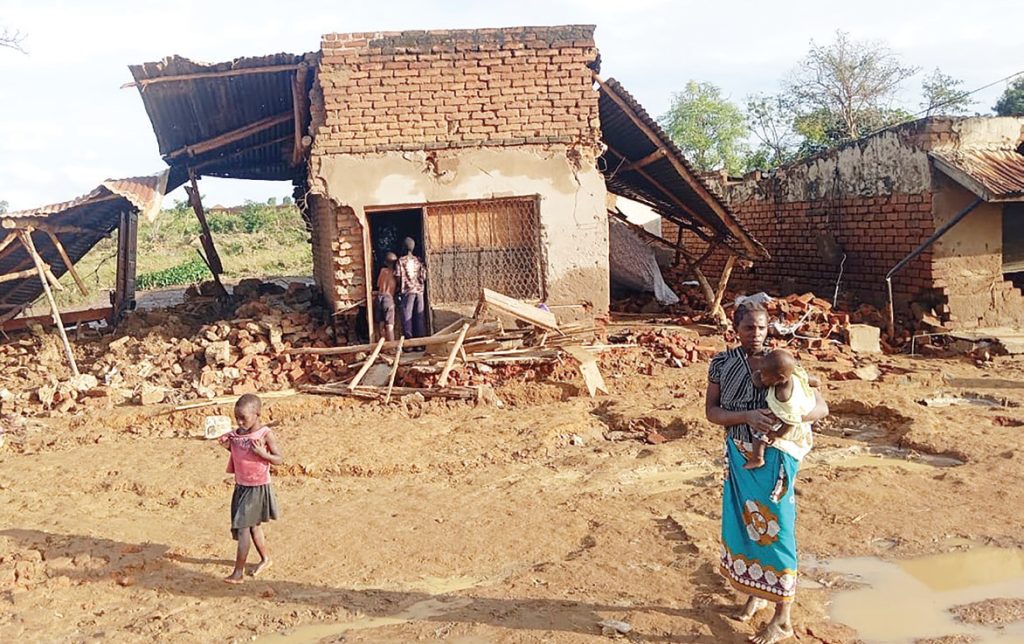
Cyclone Freddy alone affected over two million people, highlighting the scale of exposure facing the economy.
A 2025/26 Unicef climate financing budget brief estimates Malawi is losing about 1.7 percent of GDP annually due to climate shocks, with losses projected to reach 3 to 9 percent by 2030 and up to 16 percent by 2050 if current trends persist.
Civil Society Network on Climate Change board chairperson Gift Numeri said in an interview on the sidelines of the conference the impact is already feeding through the economy.
“Malawi has lost a lot to climate change, and the effects are being felt now. Infrastructure has been lost, and communities are bearing the cost,” said.
But beyond domestic pressures, attention is turning to the global financing gap.
Pan African Climate Justice Alliance head of programmes and research Charles Mwangi said funding remains critically low, with less than $1 billion committed to the Loss and Damage Fund years after its establishment.
The funding shortfall is mirrored locally.
Public allocations for climate-related programmes dropped from K281 billion in 2024/25 to K177 billion in 2025/26, even as climate risks intensify.
The financing model remains heavily skewed, with about 88 percent of climate funding coming from donors, mostly through short-term, project-based interventions that prioritise immediate relief over long-term resilience.
This dependence is compounded by debt risks, with concessional climate financing adding to Malawi’s external debt stock, estimated at K7.4 trillion.
Climate shocks are deepening poverty and inequality, with estimates showing a 14 percentage point increase in poverty among vulnerable populations, while events such as El Niño have reduced agricultural productivity by 16 percent, worsening food insecurity and trade pressures.
In her keynote address, Dev Transform co-founder Martha Bekele warned that portraying Africa as a “global climate solution provider” risks weakening its case for compensation.